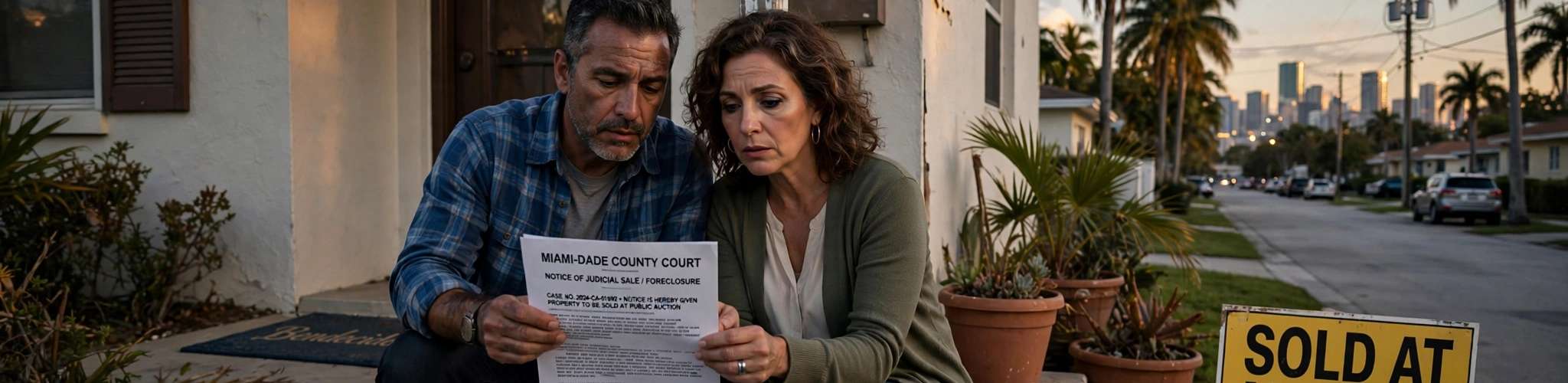
What Are Miami-Dade Foreclosure Surplus Funds?
Miami-Dade County sees some of the highest foreclosure activity in the entire state. Miami-Dade foreclosure surplus funds often go unclaimed simply because families never learn they exist. Understanding this money can turn a painful loss into a meaningful recovery.
A foreclosure sale in this county follows the same statewide legal framework as anywhere else in Florida. However, the sheer volume of cases here means more surplus money moves through the system every year.
Many families in this area assume their situation is somehow unique. In reality, the underlying law treats every county the same way. Recognizing this fact early helps families focus on the right next steps.
Understanding Miami-Dade Foreclosure Surplus Funds
These funds arise the same way they do throughout Florida. When a property sells at auction for more than the debt owed, that extra amount becomes a surplus. Consequently, Miami-Dade foreclosure surplus funds belong to the former homeowner rather than the lender.
Because Miami-Dade processes a large number of foreclosure cases, clerks handle a heavy caseload. Therefore, notices and paperwork sometimes take longer to reach families than in smaller counties. This delay does not erase a family’s right to the money.
Why This County Sees So Much Foreclosure Activity
Rapid population growth and rising property values shape much of this pattern. As home prices climb, the gap between a mortgage balance and a final sale price tends to widen. This gap often produces larger surplus amounts than in slower growing areas.
Additionally, dense urban housing markets tend to generate more transactions overall. More transactions naturally lead to more foreclosure cases across any given year. Similarly, this volume means more opportunities for surplus funds to appear.
Neighboring counties in South Florida often see similar pressures. Broward and Palm Beach share some of the same growth patterns that drive activity here. Recognizing these regional similarities helps families understand why this part of the state sees so many cases.
How the Statewide Process Applies Locally
Florida law does not treat Miami-Dade differently from any other county. The same statutes and court procedures apply here as they do statewide. Nevertheless, local court practices can affect how quickly a case moves.
For instance, local clerks manage their own registry of surplus funds. Families searching for money owed to them should check records at this specific courthouse. This step remains true whether a family lives in a large county or a small one.
Court hours and contact methods can also vary slightly between locations. Some clerks offer online portals, while others rely more heavily on phone or in-person requests. Checking the specific courthouse website before visiting saves families unnecessary travel.
Common Challenges Families Face Here
High case volume can create longer wait times for responses. Because so many claims move through the system, patience often becomes necessary. Nevertheless, delays do not mean a claim has been denied or forgotten.
Locating the right department also challenges some families. Large court systems often divide responsibilities across multiple offices. For this reason, asking clearly worded questions helps staff direct a family to the correct place.
Searching for Surplus Funds in This County
Searching for Miami-Dade foreclosure surplus funds starts with the original case number. This number appears on the final judgment from the foreclosure. Most searches move faster once this basic information is in hand.
Similarly, having an accurate property address speeds up the process. Court staff can locate records more efficiently with complete and accurate details. Therefore, gathering this information before contacting the clerk saves valuable time.
Online tools have made this search easier in recent years. Many Florida courthouses now offer digital record searches available at any hour. Consequently, families no longer need to visit in person just to begin the process of finding Miami-Dade foreclosure surplus funds.
What This Means for Families Statewide
Above all, the lessons from Miami-Dade apply to families across Florida. Every county follows the same basic legal framework for surplus funds. Most importantly, no one should assume their situation differs simply because of where they live.
Beyond that, larger counties often reveal patterns that smaller counties share too. Understanding one county’s process builds confidence in navigating any Florida courthouse. This knowledge remains valuable no matter where a foreclosure sale took place.
Steps for Recovering Surplus Funds in Miami-Dade
- Locate the final judgment from your Miami-Dade foreclosure case.
- Confirm the winning auction bid compared to the total debt owed.
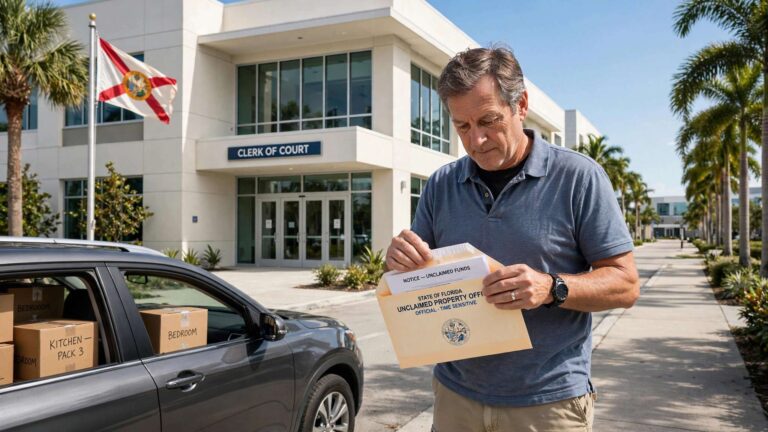
- Contact the Miami-Dade Clerk of Courts for surplus fund records.
- Verify your current mailing address on file with the court.
- Gather identification documents to support your eventual claim.
- File the required claim form within the applicable deadline.
- Follow up with the clerk if you do not receive a response.
Key Takeaways
- Miami-Dade foreclosure surplus funds follow the same law as the rest of Florida.
- High case volume in this county can slow down notification timelines.
- Rising property values often produce larger surplus amounts here.
- Local clerks maintain their own registry of unclaimed surplus funds.
- Accurate case numbers and addresses speed up any search.
- Patience matters given the size of this county’s court system.
- The lessons learned here apply equally to families statewide.
Conclusion
Miami-Dade foreclosure surplus funds represent real money that many families never claim. The scale of this county does not change a family’s underlying right to that money. Understanding the process here can help families anywhere in Florida.
If your home sold at auction in this county, checking is worthwhile. The process may take patience, but the underlying right remains the same. Above all, persistence often leads to genuine financial recovery.