What Is Florida HOA Foreclosure Surplus?
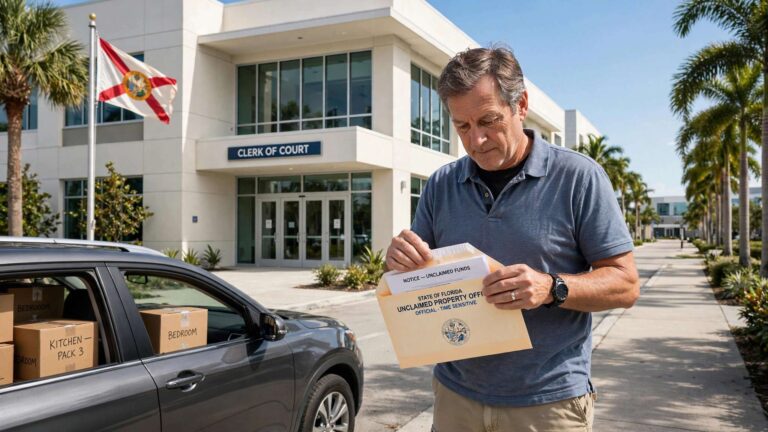
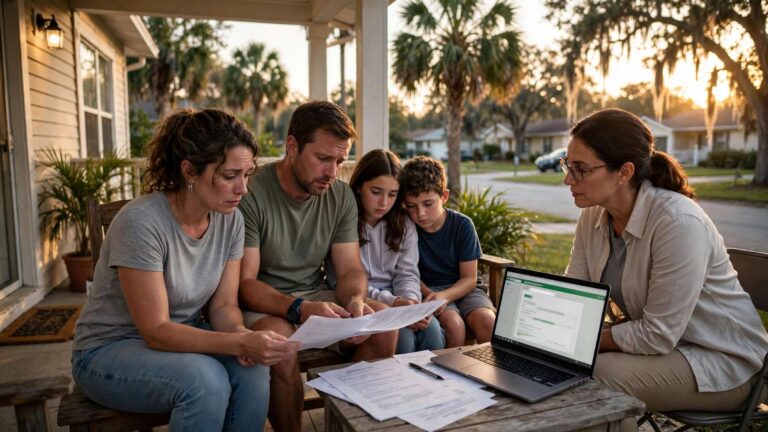
Losing a home to a homeowners association foreclosure feels different from a typical mortgage foreclosure. Florida HOA foreclosure surplus funds still apply in these situations, even though many families never expect it. Understanding this distinction can help a family recover money after an already painful loss.
An association files this type of foreclosure over unpaid dues or assessments, not a missed mortgage payment. However, the surplus rules that follow a sale remain remarkably similar either way.
What Florida HOA Foreclosure Surplus Actually Means
Florida HOA foreclosure surplus funds arise when an association sells a home for more than the debt owed. That debt typically involves unpaid dues, special assessments, and related fees. Once the sale covers these amounts, any leftover money still belongs to the former homeowner.
This distinction matters more than it might first appear. A family facing this type of foreclosure often feels isolated, assuming their situation differs entirely from a typical bank foreclosure. Recognizing the shared legal framework can bring some genuine comfort during a stressful process.
Because many people associate foreclosure only with mortgage lenders, this process often catches families off guard. Nevertheless, an association holds many of the same legal tools a bank would use. Understanding this similarity helps explain why the same surplus protections apply here too.
Why Associations Pursue Foreclosure
Homeowners associations rely on dues and assessments to maintain shared community spaces. When an owner falls behind, the association can place a lien on the property. Eventually, that lien can lead to a formal foreclosure action in court.
Additionally, associations often pursue this route only after other collection efforts fail. Payment plans and notices typically come first in most cases. Therefore, foreclosure usually represents a final step rather than an immediate response.
Board members and property managers generally prefer resolving unpaid balances without going to court. Legal action costs the association time and money as well. Consequently, most associations reserve foreclosure for cases where every other option has already been attempted.
How the Surplus Process Works Here
The court process for an association foreclosure closely mirrors any other judicial foreclosure. First, the property sells at a public auction after the court enters judgment. Second, the clerk applies the sale proceeds toward the outstanding debt.
Consequently, any amount above that debt becomes a surplus in the court registry. Former homeowners then have the same right to file a claim for that money. This structure exists specifically to prevent an owner from losing more than what they actually owed.
Common Misunderstandings About These Cases
Many people assume an association keeps the surplus since they initiated the foreclosure. This assumption is not accurate under Florida law. The former homeowner retains the same underlying right to any leftover funds.
Others believe amounts owed to an association are too small to generate a real surplus. However, sale prices at auction can still exceed a relatively modest debt. For this reason, checking for a surplus remains worthwhile even in smaller cases.
A third misunderstanding involves timing. Some families assume too much time has passed to matter once an association forecloses. In reality, Florida HOA foreclosure surplus funds often remain available for months after the sale, so checking later still makes sense.
Protecting Your Rights After This Type of Sale
Above all, a family should not assume this type of foreclosure works differently from any other. The underlying court process and surplus rights remain essentially the same. Most importantly, former homeowners deserve to know this money may still be available.
Beyond that, acting promptly after the sale improves the chance of recovery. Deadlines apply here just as they do in any other foreclosure case. Similarly, waiting too long can eventually lead to the funds moving to the state.
This Matters for Every Florida Family
These situations remind families that every foreclosure sale deserves a second look. Regardless of who initiated the case, a former owner may still be entitled to real money from Florida HOA foreclosure surplus funds. This knowledge often brings a small measure of relief during a genuinely difficult time.
Similarly, this awareness helps neighbors and community members support one another. Sharing accurate information about these rights protects families from unnecessary financial loss. In this way, understanding one case can help an entire community.
Steps for Recovering Surplus Funds After This Sale
- Obtain the final judgment from your association foreclosure case.
- Confirm the winning auction bid compared to the total debt owed.
- Check the county clerk registry for any surplus funds notice.
- Verify your current mailing address is accurate with the court.
- Gather identification documents to support your eventual claim.
- File the required claim form within the applicable deadline.
- Follow up with the clerk if you do not receive a response.
Key Takeaways
- Florida HOA foreclosure surplus funds follow the same rules as any other case.
- Associations pursue foreclosure only after other collection efforts fail.
- Any amount above the debt owed still belongs to the former homeowner.
- Small unpaid balances can still lead to a meaningful surplus at sale.
- Deadlines apply here just as they do in traditional foreclosure cases.
- Unclaimed surplus funds can eventually transfer to the state over time.
- Understanding these rights helps protect entire communities, not just one family.
Conclusion
Florida HOA foreclosure surplus funds show that every foreclosure sale deserves careful attention. The reason behind a foreclosure does not change a former owner’s basic rights. Understanding this process can turn a difficult situation into a real opportunity for recovery.
If an association foreclosed on your home, checking for a surplus remains worthwhile. The process takes some patience, but the underlying right still applies to you. Above all, awareness remains the strongest first step toward reclaiming what belongs to you.