What Do Florida Foreclosure Funds Statistics Show?
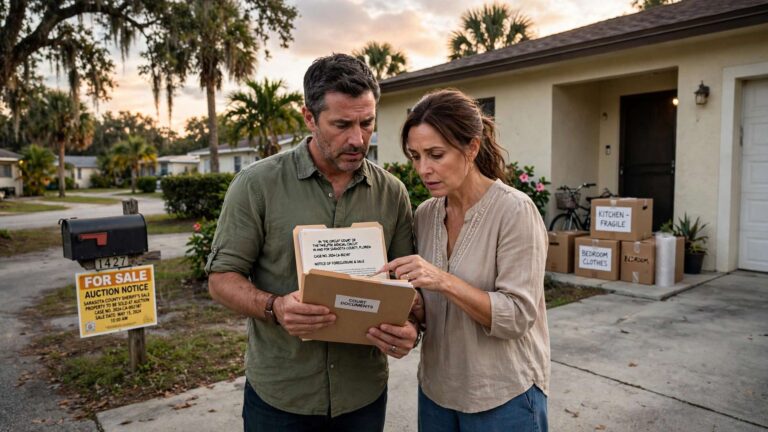
Losing a home to foreclosure leaves a weight no spreadsheet can measure. Florida foreclosure funds statistics reveal something many families never learn until it feels too late. Thousands of former homeowners walk away from auctions without knowing that money may still belong to them.
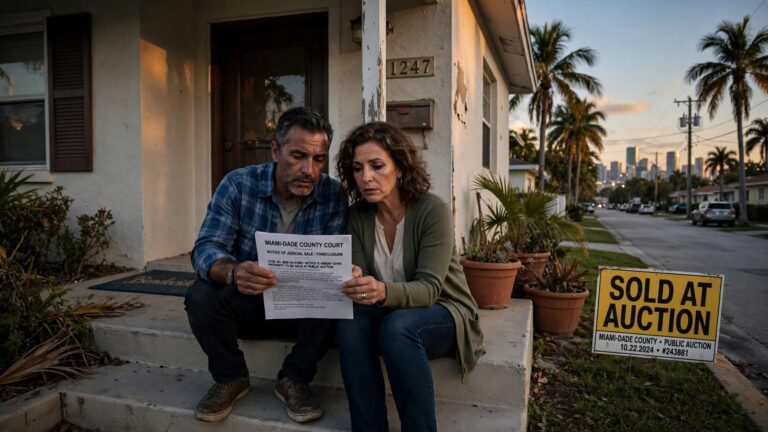
Every year, Florida foreclosure sales generate more than the amount owed on the mortgage. When that happens, a surplus exists. Consequently, that leftover money belongs to the former owner, not the lender or the court.
Most people never expect a foreclosure to end this way. First, the sale feels like a final loss. Second, the paperwork that follows rarely explains that a surplus might exist at all.
How Florida Foreclosure Funds Statistics Are Tracked
Court clerks across the state record every foreclosure sale result. Each entry includes the winning bid and the total debt owed. Because these two figures rarely match, a surplus often appears in the record.
Researchers and legal advocates gather this data from public court registries. Therefore, patterns emerge across counties, property values, and filing years. These patterns help explain why so much money remains unclaimed.
Beyond that, these figures shift throughout the year as new cases close. A property sold in January may look nothing like one sold in August. Nevertheless, the underlying pattern stays consistent across the calendar.
Why Many Families Never Learn About Surplus Money
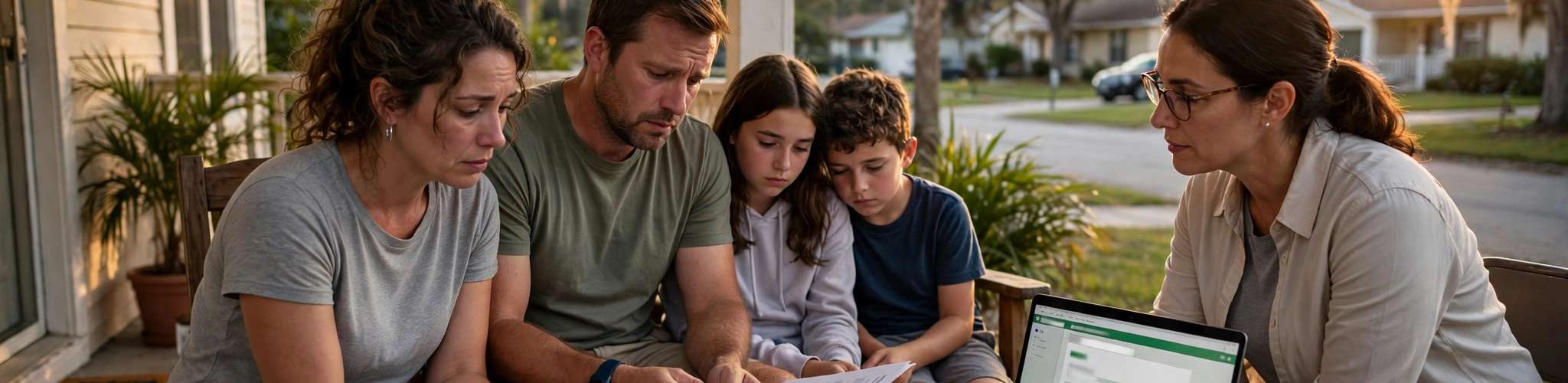
Grief and stress often follow a foreclosure sale. Many families focus entirely on finding new housing. Meanwhile, court notices about surplus funds can arrive at an old address.
Additionally, some homeowners move quickly after losing a home. Mail meant for them never catches up. Others simply do not know surplus funds exist because nobody explained the process clearly.
County Patterns Across the State
Foreclosure activity does not look the same in every part of Florida. Miami-Dade, Broward, Palm Beach, and Orange County consistently show high sale volume. Because property values in these areas often rise quickly, surplus amounts can be significant.
Smaller counties see fewer total cases. Still, the percentage of unclaimed funds often mirrors the statewide trend. Distance from a courthouse affects families everywhere, not only in large cities.
Rural communities face a different version of the same problem. Fewer local resources exist to help residents understand court procedures. Consequently, a family in a small county may face the same confusion as one in Miami, just with fewer nearby options for guidance.
Population growth also plays a role in these patterns. Areas experiencing rapid development often see property values climb quickly. As a result, the gap between a mortgage balance and a final sale price tends to widen in those regions.
What Happens When Surplus Funds Go Unclaimed
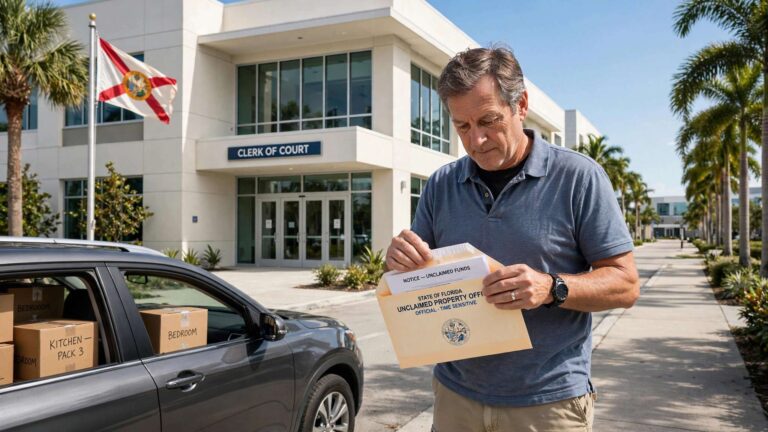
Florida law does not allow this money to sit forever. If nobody files a claim within the required window, the funds escheat to the state. Once that happens, recovery becomes far more difficult.
For this reason, timing matters more than most people realize. Florida foreclosure funds statistics show a clear pattern here. The longer a claim goes unfiled, the smaller the chance of getting the money back.
Turning the Data Into Action for Your Family
Behind every statistic sits a person who lost more than a house. Above all, these numbers should offer hope instead of discouragement. Many families successfully recover funds once they understand where to look.
Similarly, awareness continues to grow across Florida communities. More families now check court records after a foreclosure sale ends. This shift means fewer dollars may go unclaimed in the years ahead.
Statistics alone cannot restore what a family has lost. However, they can point toward money that rightfully belongs to you. Understanding Florida foreclosure funds statistics turns confusion into a clear next step.
Common Questions Families Ask About the Numbers
Many readers wonder how much money is actually sitting unclaimed. Nevertheless, exact totals shift constantly as new cases close and old ones expire. County clerks can provide current figures for any specific case.
Others ask whether small surplus amounts are worth pursuing. In contrast, even modest sums can matter greatly to a family rebuilding after foreclosure. No amount should be dismissed without checking first.
Some readers also ask whether Florida foreclosure funds statistics apply to older cases. Generally, older filings follow the same rules as recent ones. However, deadlines tied to those older cases may already be closer to expiring, so checking sooner remains wise.
Steps for Understanding Your Surplus Situation
- Locate the final judgment from your foreclosure case file.
- Compare the winning auction bid to the total debt recorded.
- Search the county clerk website for a surplus funds notice.
- Confirm your current mailing address with the clerk of court.
- Request a copy of the sale disbursement report if one exists.
- Note any deadline listed for filing a surplus funds claim.
- Speak with a professional if you find a potential surplus balance.
Key Takeaways
- Florida foreclosure funds statistics show millions in unclaimed money each year.
- Surplus money belongs to the former homeowner once the debt is satisfied.
- Notification gaps often prevent families from learning about their own claim.
- High-volume counties like Miami-Dade and Broward see significant surplus activity.
- Unclaimed funds eventually escheat to the state if nobody files in time.
- Acting quickly after a foreclosure sale improves the chance of recovery.
- Awareness of these patterns can help protect money that belongs to your family.
Conclusion
Florida foreclosure funds statistics tell a larger story than numbers on a page. They represent families who deserve a real chance to recover what belongs to them. Understanding these patterns can turn a painful chapter into a path toward stability.
If your home sold at auction for more than was owed, do not assume the money is gone. Checking the court record costs little time and may return meaningful funds to your household. Above all, knowledge remains the first step toward closure.